From financial consistency to program impact and governance transparency, every part of the form plays a role in how the IRS—and the public—evaluate your organization.
Fundraising events like galas, auctions, and charity dinners generate vital revenue for nonprofits — but correctly reporting that income on Form 990 requires more than simply totaling receipts.
Understanding the difference between a contribution and program revenue hinges on one key distinction. Misclassifying distorts your financials, creates Form 990 errors, and can undermine donor trust.
Losing your 501(c)(3) status doesn't have to mean the end of your nonprofit — the IRS offers clear reinstatement pathways, whether your status was revoked last month or years ago.
Nonprofit compliance goes beyond Form 990, requiring careful attention to varying state registrations, filings, and deadlines to remain in good standing and operate effectively.
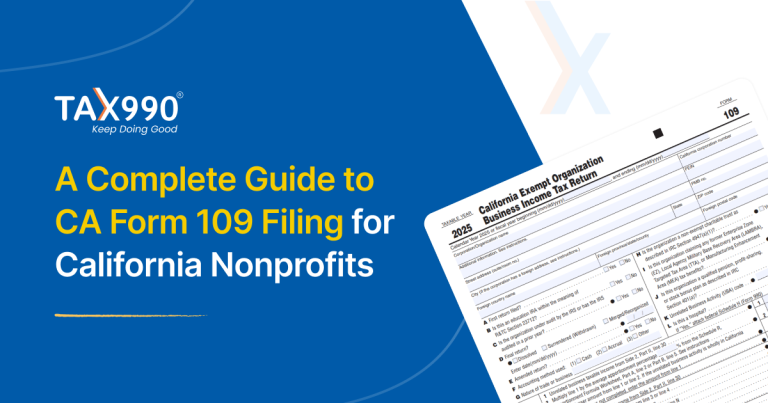
Nonprofit compliance isn’t always as straightforward as it seems. While most organizations focus on maintaining their tax-exempt status and meeting annual filing requirements, certain types of income can introduce additional...
For nonprofits, IRS notices usually arise from missed filings or issues in filed returns. When you understand what each notice is, it becomes much easier to handle them.
Tax990 is proud to partner with Protection Plus to provide nonprofits and tax professionals not only with Form 990 e-filing, but also added confidence through expert audit defense and tax resolution support.
 Blog - Tax990