The cost of the wrong Form 990 e-file provider rarely shows up on the invoice. Compare guarantees, support, amendments, and audit protection before you file.
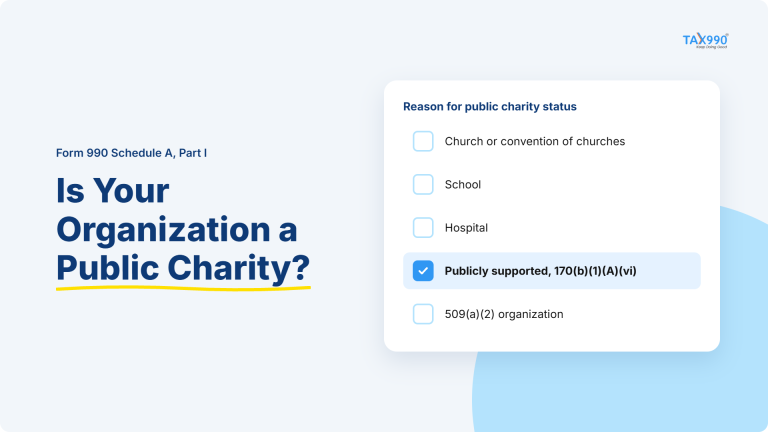
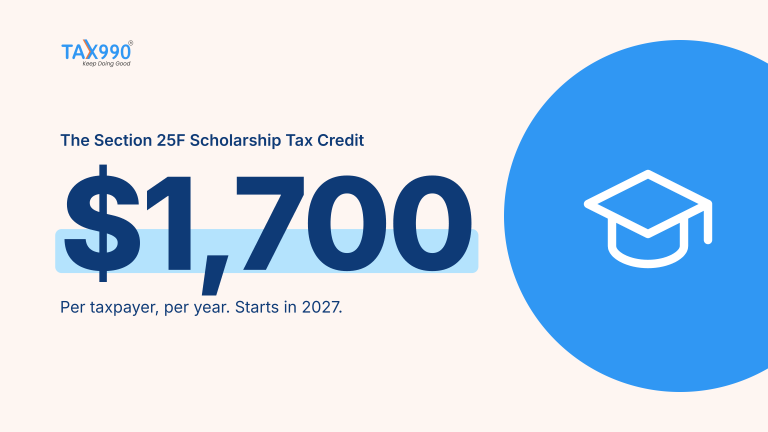
Beginning January 1, 2027, donors can claim a federal tax credit of up to $1,700 for gifts to scholarship granting organizations. Only 501(c)(3) public charities qualify. Learn how Form 990 Schedule A shows the IRS your public charity status, and what to review before the credit takes effect.
The Section 25F scholarship tax credit starts in 2027. Learn what 501(c)(3) organizations need to qualify as an SGO and how to prepare before the first gift.
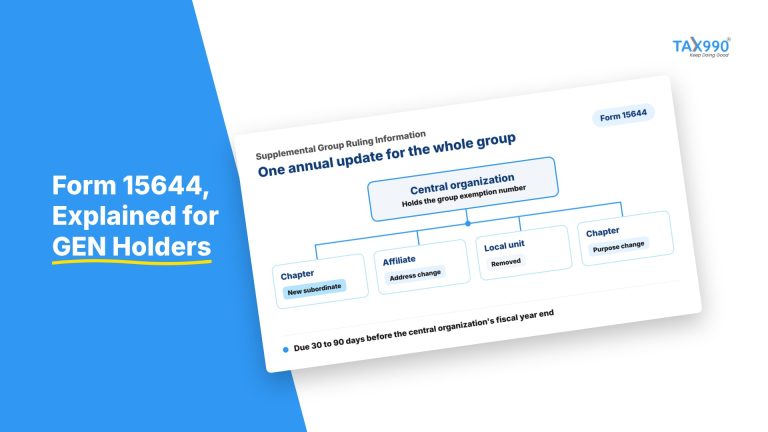
Form 15644 is the IRS form central organizations now use for their annual SGRI update. Here's when it's due, what it reports, and what else your group files.
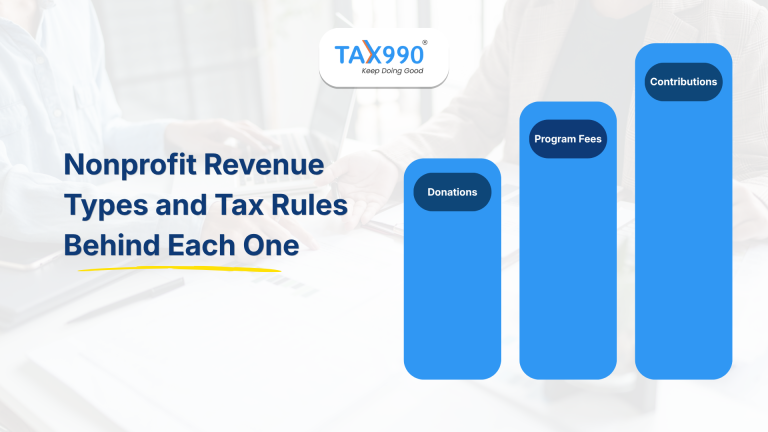
Every nonprofit revenue stream has its own tax rule and its own place on Form 990. Learn which income stays tax-exempt, which can trigger unrelated business income tax, and when a Form 990-T filing is required.
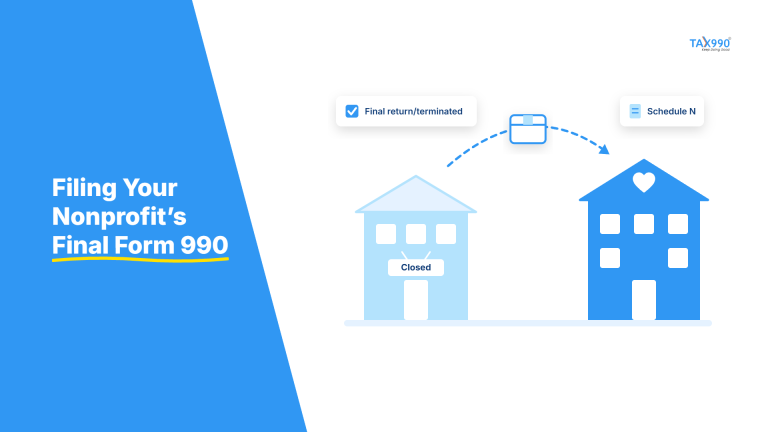
Dissolving or merging your nonprofit takes more than a board vote. Here's what the final Form 990 has to show, and why mistakes made at closing are hard to undo.
Every organization that applies for 501(c)(3) status starts out classified as a private foundation in the eyes of the IRS — a designation that comes with stricter rules, higher taxes, and less flexibility. Schedule A and the public support test are how your organization proves otherwise, demonstrating year after year that it's accountable to a broad public rather than a handful of funders. Here's how the test works, why one large gift won't disqualify you, and what's at stake if you fail it.
Your IRS determination letter proves your 501(c)(3) status to donors, grant makers, and state agencies — so a misspelled name, wrong EIN, or off effective date is worth fixing. Here's what each error can mean, and how to correct it.

 Blog - Tax990