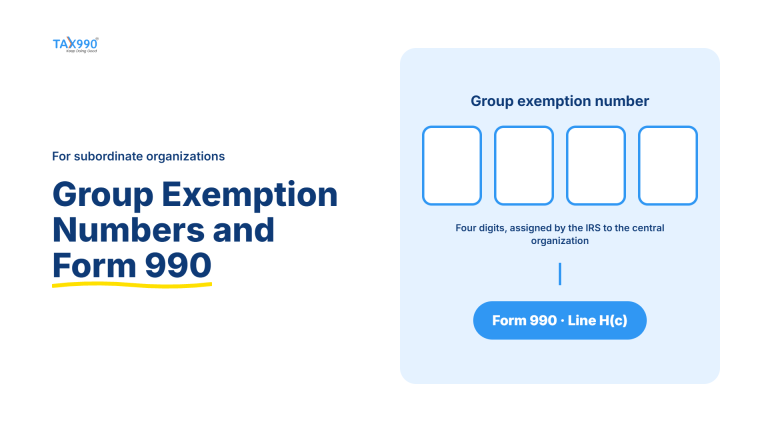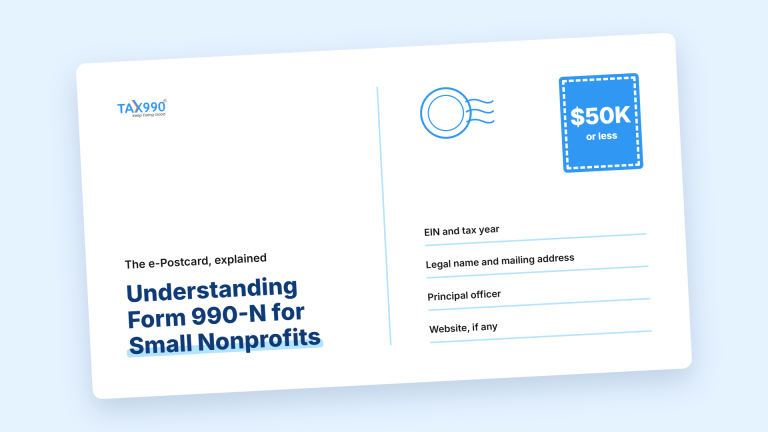
Nonprofit compliance goes beyond Form 990, requiring careful attention to varying state registrations, filings, and deadlines to remain in good standing and operate effectively.
Choosing between Form 1023 and 1023-EZ is one of the first and most important decisions your nonprofit will make. While both forms lead to 501(c)(3) status, they differ in complexity, eligibility, and long-term impact, making it essential to choose the one that best supports your organization's goals.
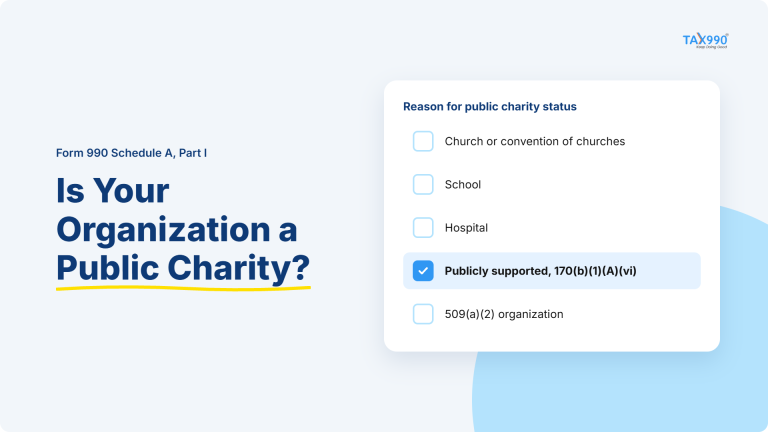
A public charity is a nonprofit that receives broad support from the general public, government agencies, or multiple donors.
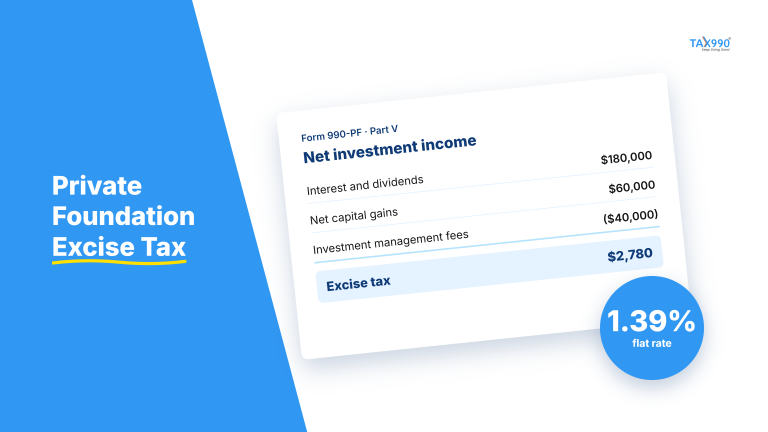
A private foundation is usually funded and controlled by a single individual, family, or corporation.
For nonprofits, IRS notices usually arise from missed filings or issues in filed returns. When you understand what each notice is, it becomes much easier to handle them.
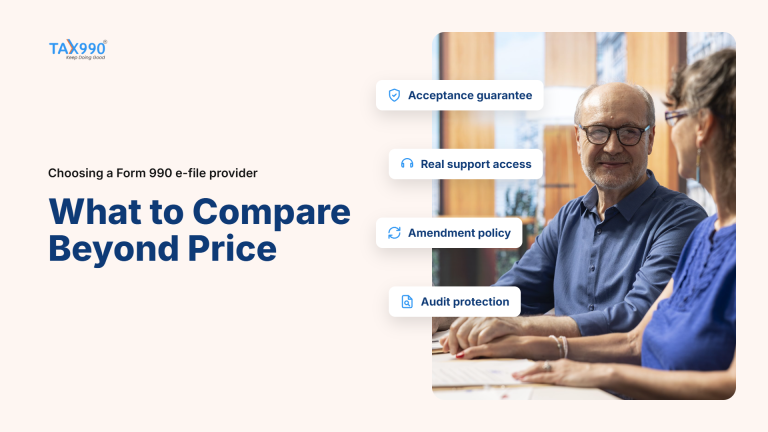
By prioritizing reliability, ease of use, automation, and support, organizations can turn a complex requirement into an efficient, stress-free process.
Most people assume public libraries are nonprofits—but their actual tax status under IRS rules may surprise you, and understanding it can make a big difference for donations, grants, and compliance.
Obtaining 501(c)(3) tax-exempt status is a crucial step for U.S. nonprofits, and this guide explains what it is, who qualifies, how to apply, and the compliance requirements involved.