

Everything you need to know about making the switch to Form 990-EZ, including when it's required, when it's strategic, and what to do if you've already filed the wrong form.
Late Form 990 penalties can be costly — but if your nonprofit missed the deadline due to circumstances beyond your control, the IRS may waive those penalties through reasonable cause relief.
Tax990 offers nonprofits a stress-free Form 990 filing experience with extended deadline support and The Tax990 Commitment that covers extensions, rejections, and amendments at no extra cost.
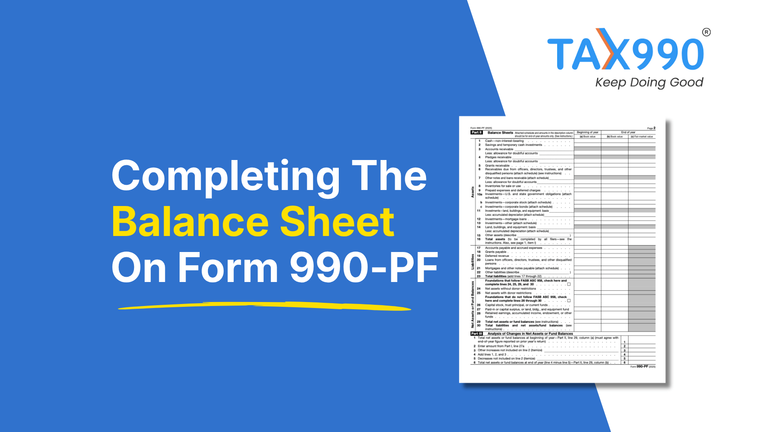
The balance sheet section of Form 990 requires your organization to report assets, liabilities, and net assets at both the beginning and end of the tax year — and the IRS requires every figure to reconcile exactly.
Fundraising events like galas, auctions, and charity dinners generate vital revenue for nonprofits — but correctly reporting that income on Form 990 requires more than simply totaling receipts.
Understanding the difference between a contribution and program revenue hinges on one key distinction. Misclassifying distorts your financials, creates Form 990 errors, and can undermine donor trust.
Losing your 501(c)(3) status doesn't have to mean the end of your nonprofit — the IRS offers clear reinstatement pathways, whether your status was revoked last month or years ago.
A monthly administrative checklist covering finances, donor relations, compliance, and program tracking helps small nonprofits stay organized, compliant, and focused on their mission.
Nonprofit compliance goes beyond Form 990, requiring careful attention to varying state registrations, filings, and deadlines to remain in good standing and operate effectively.