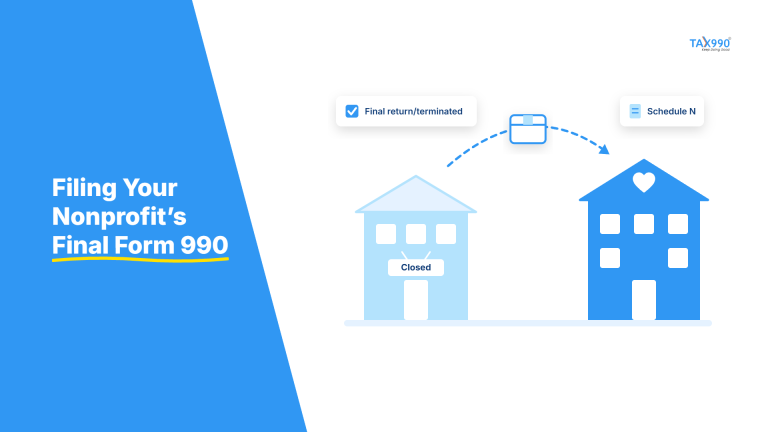
Dissolving or merging your nonprofit takes more than a board vote. Here's what the final Form 990 has to show, and why mistakes made at closing are hard to undo.
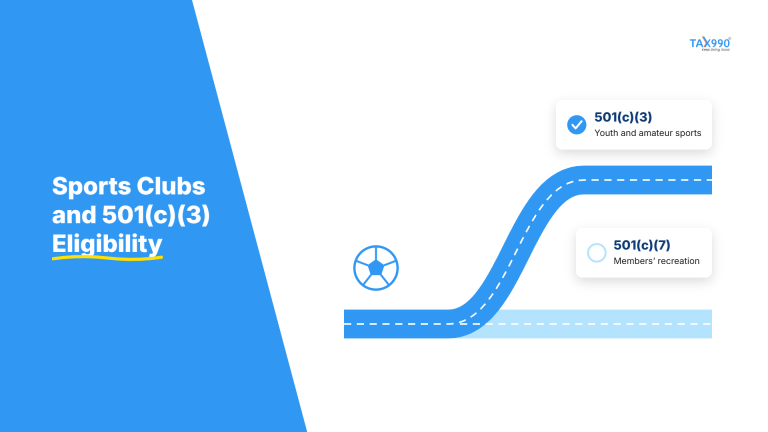
Not every sports club qualifies for 501(c)(3) status, and knowing which category your organization actually fits changes everything from your annual filing form to your penalty exposure. Here's what nonprofit sports clubs need to know about tax exemption, IRS filing requirements, and staying compliant year after year.
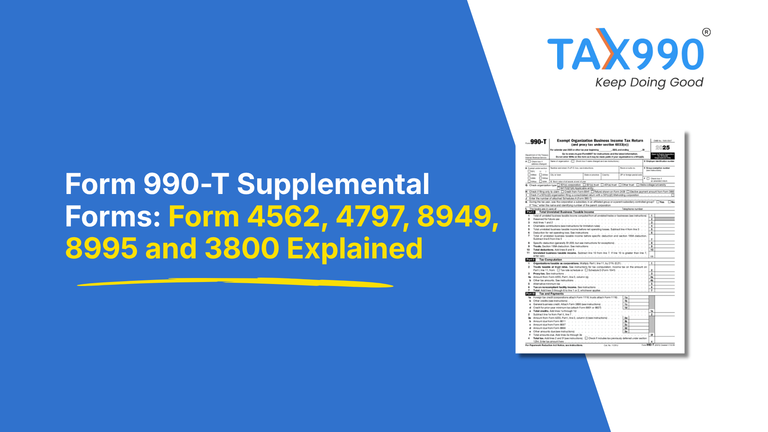
Form 990-T rarely stands alone. Here's a plain-English breakdown of the five supplemental forms — 4562, 4797, 8949, 8995, and 3800 — that most often accompany it, and when each one applies.
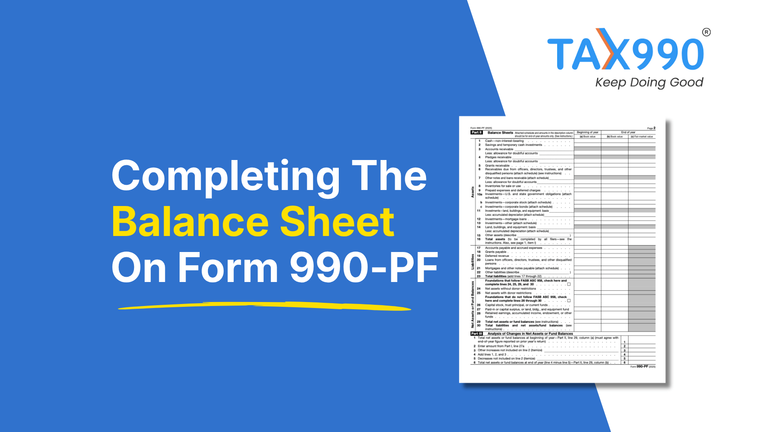
Form 990-PF's Balance Sheet asks private foundations for a detailed look at assets, liabilities, and net assets — at both book and fair market value. Here's how Part II breaks down, line by line, and what determines which columns your foundation needs to complete.
If your organization falls outside 501(c)(3) and 501(c)(4), Form 1024 — not Form 1023 — is your path to IRS-recognized tax-exempt status. Here's what it covers and how to file.
Want me to adjust length, tone, or pull a different angle (e.g., leading with the determination letter's practical value for donors/funders rather than the form mechanics)?
A paper refund check can take weeks to arrive, and it can get lost or misdirected along the way. Form 8050 gives eligible nonprofits and other exempt filers a faster alternative: direct deposit straight from the IRS, with no cap on the refund amount. Here's what the form covers, who qualifies, and how to get it filed correctly.
The IRS just gave foreign soccer federations a break: if their only U.S. tie was the 2026 World Cup, they won't need to file Form 990 this year. It's a narrow, tournament-specific exception—but a welcome one for busy compliance teams.

 Blog - Tax990