Dissolving or merging your nonprofit takes more than a board vote. Here's what the final Form 990 has to show, and why mistakes made at closing are hard to undo.
Not every sports club qualifies for 501(c)(3) status, and knowing which category your organization actually fits changes everything from your annual filing form to your penalty exposure. Here's what nonprofit sports clubs need to know about tax exemption, IRS filing requirements, and staying compliant year after year.
Every organization that applies for 501(c)(3) status starts out classified as a private foundation in the eyes of the IRS — a designation that comes with stricter rules, higher taxes, and less flexibility. Schedule A and the public support test are how your organization proves otherwise, demonstrating year after year that it's accountable to a broad public rather than a handful of funders. Here's how the test works, why one large gift won't disqualify you, and what's at stake if you fail it.
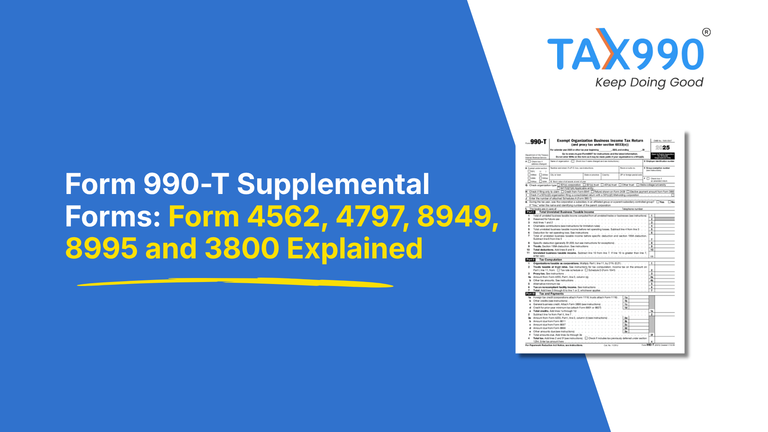
Form 990-T rarely stands alone. Here's a plain-English breakdown of the five supplemental forms — 4562, 4797, 8949, 8995, and 3800 — that most often accompany it, and when each one applies.
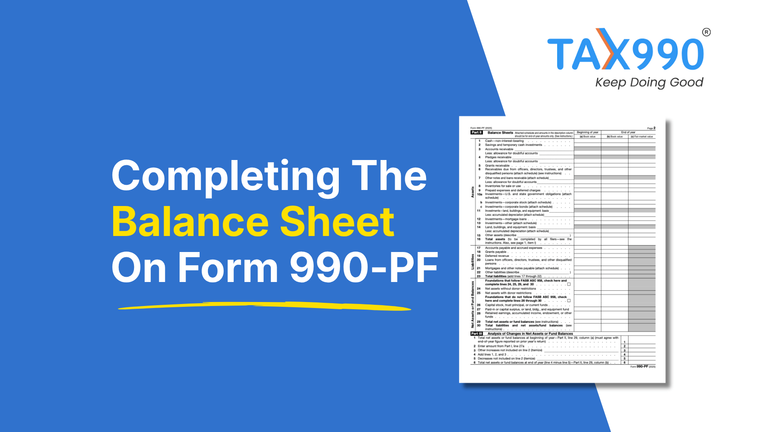
Form 990-PF's Balance Sheet asks private foundations for a detailed look at assets, liabilities, and net assets — at both book and fair market value. Here's how Part II breaks down, line by line, and what determines which columns your foundation needs to complete.
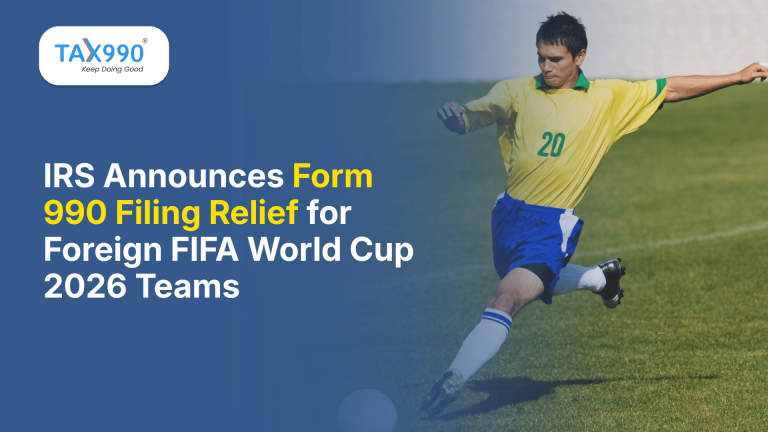
The IRS just gave foreign soccer federations a break: if their only U.S. tie was the 2026 World Cup, they won't need to file Form 990 this year. It's a narrow, tournament-specific exception—but a welcome one for busy compliance teams.
In 2026, the smartest nonprofit finance teams aren't choosing between virtual and in-person events — they're being strategic about when each format actually earns its place on the calendar.
Section 4960's excise tax on high nonprofit compensation is no longer limited to an organization's top five earners — for taxable years beginning after December 31, 2025, the rules expand to cover a broader group of employees, so nonprofits with multiple staff earning over $1 million should start reviewing their compensation arrangements now.
 Blog - Tax990